
24/7 Flood Cleanup · Crews on call now
Flood Damage Restoration in North Jersey
When a storm sends the river over its banks or floodwater pours in under the door, you need a crew that can move a lot of water fast. We pump it out, tear out what the flood ruined, dry and sanitize the structure, and rebuild.
- Floodwater pumped out at 60 gallons a minute
- Sanitized after outside water gets in
- Full rebuild, from drywall to floors
Local line (201) 398-9299 · A live operator answers 24/7
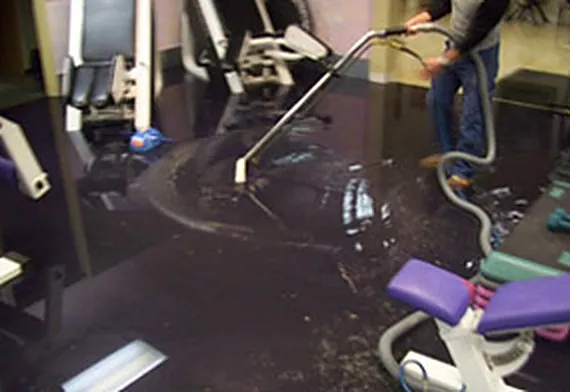
60gal/min
Our 2-inch pump moves floodwater out while the drying gear goes in.
- IICRC Certified
- Absolutely Free Estimate
- We Work With Insurance Companies
- We Are Fully Insured
- Open 24/7
When it floods
How Flooding Gets Into North Jersey Homes
Bergen County sit on the Passaic, Saddle and Hackensack rivers, and heavy storms overwhelm streets and storm drains fast. Flood water comes from outside, so it carries dirt, debris and bacteria with it.
-
River & Stream Flooding
Heavy rain pushes the Passaic, Saddle and Hackensack rivers and their brooks into nearby streets and homes.
-
Storm Surge & Heavy Rain
Nor'easters and summer downpours dump more water than yards and gutters can handle.
-
Groundwater Seepage
Saturated soil pushes water up through basement floors and foundation cracks.
Learn more -
Storm Drain Backups
Overloaded street drains and sewer lines back up into floor drains and low toilets.
Learn more -
Power Outages
When the storm knocks out power, the sump pump stops and the basement fills.
-
Burst Pipes in a Flood
Floodwater and cold snaps that follow storms crack pipes and fittings in flooded spaces.
Water still coming in? Call now and we'll tell you what to do first.
1-800-398-9007Time matters
Floodwater Gets Worse by the Hour
Flood water isn't clean. The longer it sits, the more it soaks into the house and the more has to be thrown out instead of dried.
-
First hours
Water rises and spreads
Flood water soaks carpet, padding, drywall and the bottom of cabinets and furniture.
-
Hours 1–24
Contamination soaks in
Silt and bacteria from outside water get absorbed into porous materials like drywall and insulation.
-
Hours 24–48
Mold and odor start
Warm, wet, dirty materials are where mold grows fastest, and the smell starts to set in.
-
After 48 hours
Structure weakens
Subfloors, framing and finished walls swell and break down, and the rebuild gets bigger.
Do this before we arrive
- Stay out of standing water if it might be touching outlets, cords or appliances.
- Shut off power to flooded areas at the panel only if you can reach it safely and dry.
- Move what you can to a higher floor and get pets and kids out of the wet area.
- Photograph the water level and the damage in every room for your claim.
Avoid
- Don't touch floodwater without boots and gloves. Treat it as contaminated.
- Don't run fans or a shop vac on wet outlets or cords.
- Don't start throwing things out before they're photographed.
What's included
Flood Cleanup That Doesn't Stop at Dry
Flooding is a different job than a leak. When the Passaic, Saddle or Hackensack River rises or a storm overwhelms the street drains, water comes in fast, it comes in dirty, and it usually covers a whole floor of the house. REA Floors provides flood damage restoration across North Jersey, from our base in Fair Lawn to Garfield, Lodi, Elmwood Park, Lyndhurst and the rest of Bergen County.
What flood cleanup includes
- Pump-out first: standing floodwater comes out of every level at 60 gallons a minute
- Flood cuts in soaked walls, plus carpet, pad and insulation hauled out
- Mud and silt shoveled, scraped and washed off floors and slabs
- Antimicrobial treatment on framing, subfloors and anything the river water touched
- Dehumidifiers and air movers running until the readings come back dry
- Deodorizing, so the house doesn’t smell like the river
- Putting it all back: walls, trim and floors
Why floodwater is treated differently
Water from a broken supply line is clean when it starts. Floodwater isn’t. It picks up soil, street runoff and often sewage on the way in, so anything porous it soaks into has to be handled as contaminated. That’s why we cut out the bottom of flooded walls instead of trying to dry them in place, and why everything gets cleaned and treated before it’s dried and closed back up. If water came up through a floor drain or toilet, see sewage backup cleanup.
Basements take the worst of it
In most North Jersey floods, the basement is where the water ends up. Finished basements with carpet, paneling and drywall hold a lot of water. Our flooded basement cleanup service covers pump-out, tear-out and drying, and we rebuild the space once it’s dry.
Stopping mold before it starts
Warm, wet, dirty materials grow mold faster than anything else in a house. Fast pump-out and removal of soaked materials is the best way to stop it. If mold has already started by the time we arrive, our mold remediation team contains and removes it before the walls go back up.
How it works
Our Flood Damage Restoration Process
Flood jobs are bigger and dirtier than a burst pipe, but the plan is the same every time.
-
Step 1
Pump out the floodwater
We get the standing water out first with our 2-inch pump, room by room.
-
Step 2
Tear out what the flood ruined
Carpet, padding, drywall and insulation that soaked up outside water come out.
-
Step 3
Clean, sanitize & dry
We clean the silt, treat the structure and run dehumidifiers and air movers until it's dry.
-
Step 4
Rebuild the house
Drywall, paint, trim and floors go back in, and you deal with one company the whole way.
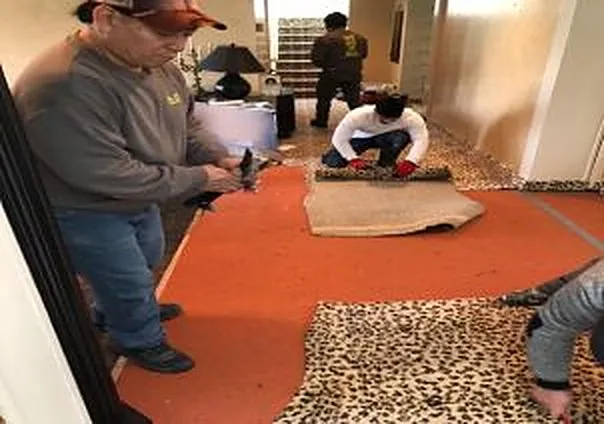
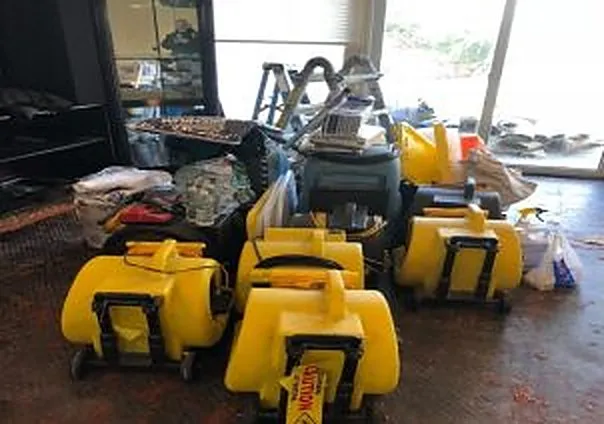
Water out to floors back in
After the flood
The Water Leaves.
We Stay to Rebuild.
A flood usually means walls opened up two or four feet high and floors pulled up across a whole level. Instead of handing you off to a contractor, REA Floors rebuilds what we tore out, from the studs to the finished floor.
- Flood cuts and new drywall
- Insulation, trim and paint
- New hardwood, tile or carpet
- The same crew from pump-out to finish
Insurance claims
Flood Insurance Is Different
Most homeowners policies don't cover flooding from outside, and flood policies have their own rules. We document the damage so you can file with whichever policy applies.
We can't promise what your policy covers, but we'll make sure your insurer has a clear picture of the damage.
-
01
We document everything
Photos of the water line, the damage in each room and what had to be removed.
-
02
You check your coverage
Call your agent to see whether a flood policy, homeowners policy or both apply.
-
03
We work with the adjuster
We walk the adjuster through the damage and the plan, then get your home rebuilt.
Ilan is great to work with I had a flood in my house and i called him and he was at our house within an hour. He explained the process for removing damaged drywall and carpet and then setting up an industrial strength dehumidifier and fans to ensure there was no residual moisture or chance of mold. He did exactly as explained. I would definitely recommend him!!
Flood Damage FAQs
What North Jersey homeowners ask us most after a storm. Call any time if yours isn't here.
1-800-398-9007Is flood damage covered by homeowners insurance?
Usually not. Most standard homeowners policies exclude flooding from outside, like rising rivers and surface water. That is covered by a separate flood insurance policy. Water from inside the house, like a burst pipe, is often handled differently. Check with your agent, and we'll document the damage for whichever policy applies.
Is floodwater dangerous?
It can be. Water that comes in from outside picks up dirt, sewage and chemicals, so we treat it as contaminated. Wear boots and gloves, keep kids and pets away and stay out of water that might be touching electricity.
Can anything be saved after a flood?
Some things can. Solid wood, tile, metal and some furniture can often be cleaned and dried. Carpet pad, insulation and drywall that soaked up floodwater usually have to be replaced, because they hold onto contamination.
What is a flood cut?
It's when we cut out the bottom of the drywall, usually two or four feet up, after a flood. It lets us remove the wet, contaminated material and dry the wall cavity behind it. We patch and finish those walls in the rebuild.
How soon can you come after a storm?
We answer 24/7 and are usually on site within the hour. After a big regional storm, calls stack up, so call as early as you can and we'll tell you what to do while you wait.
Do you rebuild after flood cleanup?
Yes. We handle the drywall, insulation, painting, trim and flooring, so your house is put back together by the same company that cleaned it up.
Service areas
Flood Cleanup Near You
From the river towns to the hills, we're on call 24/7 across Bergen County and Rockland County, NY.
All of Bergen County See all service areasFree estimate
Get the Floodwater Out Today
Tell us what happened and we'll call you back fast. For water coming in right now, skip the form and call. We answer 24/7 and can be on site within the hour.
Call Us 1-800-398-9007