
24/7 Sewage Cleanup · Crews on call now
Sewage Backup Cleanup in Bergen County, NJ
Sewage coming up through a floor drain, toilet or tub is a health hazard, not just a mess. We safely remove it, take out what it contaminated, disinfect the area and get rid of the odor.
- Safe removal of sewage and contaminated water
- Disinfecting and odor control
- Contaminated materials removed and rebuilt
Local line (201) 398-9299 · A live operator answers 24/7
- IICRC Certified
- Absolutely Free Estimate
- We Work With Insurance Companies
- We Are Fully Insured
- Open 24/7
Where it comes from
What Causes Sewage Backups
Sewage backups usually show up at the lowest drain in the house, often a basement floor drain, toilet or shower. Here's what's usually behind them.
-
Main Sewer Line Clogs
Grease, wipes and tree roots block the line to the street, and everything flows back into the house.
-
Storm Overloads
Heavy rain overwhelms municipal sewers and pushes water back up through floor drains.
-
Toilet Overflows
A clogged toilet that keeps running sends dirty water across the bathroom and into the ceiling below.
-
Washer & Drain Backups
When the drain is clogged, the washing machine's discharge comes back out of the nearest drain.
-
Basement Floor Drains
The lowest drain in the house is where backups surface first.
Learn more -
Broken Drain Lines
Cracked or collapsed drain pipes leak waste water into walls, floors and crawlspaces.
Sewage in the house? Call now. Don't try to clean it up yourself.
1-800-398-9007Time matters
Why Sewage Can't Wait
Sewage is the most contaminated water there is. The longer it sits, the more it spreads bacteria and the more has to be thrown away.
-
First minutes
Contamination spreads
Sewage runs across floors and into carpet, bringing bacteria and viruses with it.
-
Hours 1–24
Porous materials are lost
Carpet, pad, drywall and insulation that touch sewage absorb it and can't be safely saved.
-
Hours 24–48
Odor and growth
The smell spreads through the house, and bacteria and mold grow in the wet materials.
-
After 48 hours
The damage spreads
Contamination moves into framing and subfloors, and the cleanup gets bigger.
Do this before we arrive
- Keep kids, pets and anyone with a weak immune system away from the area.
- Stop using toilets, sinks, showers and the washing machine until the line is clear.
- Turn off power to the area at the panel only if you can reach it without touching the water.
- Photograph the backup and the damage for your claim.
Avoid
- Don't touch sewage or contaminated items without gloves and boots.
- Don't use household cleaners or bleach and think it's handled. The materials still need to come out.
- Don't run the HVAC if the system pulls air from the affected area.
What's included
Sewage Cleanup Done Safely and Completely
A sewage backup is one of the worst calls a homeowner can make. Dirty water comes up through a basement floor drain, a toilet or a shower, it smells, and it isn’t safe to be around. REA Floors provides sewage backup cleanup in Bergen County, NJ and nearby Rockland County, NY, with a live operator answering 24/7.
What sewage cleanup includes
- Safe extraction of sewage and contaminated water
- Removal of contaminated materials, including carpet, padding, drywall and insulation
- Cleaning and disinfecting floors, framing and every surface that stays
- Odor control, so the house smells clean again
- Drying the structure with dehumidifiers and air movers
- Rebuilding what had to be removed
Why sewage is handled differently than a leak
Water from a burst supply line starts out clean. Sewage doesn’t. It carries bacteria and viruses, so anything porous it touches is treated as contaminated and removed. Our crew wears protective gear, keeps the affected area separated from the rest of the house, and disinfects everything that stays before it’s dried. Skipping any of those steps is how odor and health problems linger long after the water is gone.
Backups in basements and bathrooms
Most backups we see come up through a basement floor drain or a basement toilet, especially during heavy storms when the municipal lines are overloaded. If the backup filled your basement, see flooded basement cleanup. Toilet overflows on upper floors usually soak the ceiling below, which we open up, dry and rebuild.
Preventing mold after a backup
Sewage-soaked materials stay wet and grow mold quickly. Fast removal and drying is the best prevention. If mold has already started, our mold remediation service takes care of it before the rebuild.
How it works
Our Sewage Cleanup Process
Every sewage job follows the same safe order, so nothing contaminated gets left behind.
-
Step 1
Contain & extract
We keep the contamination from spreading and pump out the sewage and dirty water.
-
Step 2
Remove contaminated materials
Carpet, pad, drywall and anything porous the sewage touched is bagged and removed.
-
Step 3
Disinfect & deodorize
Floors, framing and every surface left are cleaned and disinfected, and odors are treated.
-
Step 4
Dry & rebuild
We dry the structure, then replace the drywall, flooring and trim that had to come out.
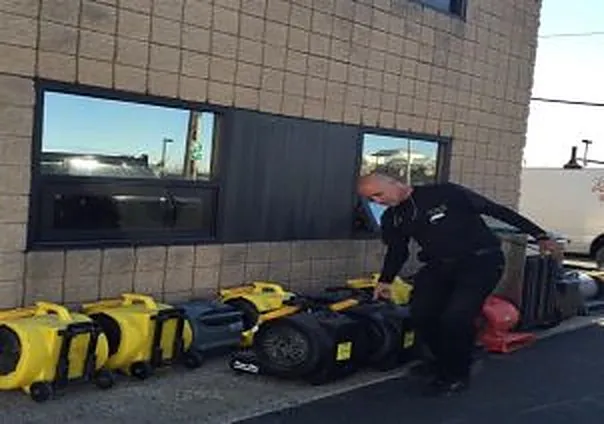
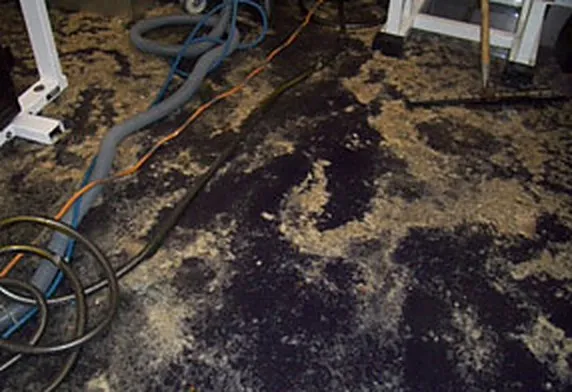
Cleanup to finished room
After the cleanup
Clean, Disinfected
and Put Back Together.
Sewage cleanup always means tearing out carpet, padding and the bottom of drywall. We don't leave you with a gutted room. Once everything is disinfected and dry, our crew rebuilds what we removed.
- Drywall and insulation replaced
- New flooring where carpet came out
- Trim and paint
- One company from cleanup to finish
Insurance claims
Sewage Backups and Insurance
Many homeowners policies only cover sewer backups with an added endorsement. We document the backup and the damage so you can find out quickly what applies.
We can't promise what your policy covers, but we'll make sure your insurer has a clear picture of the damage.
-
01
We document the backup
Photos of where it came up, how far it spread and what had to be removed.
-
02
You check for a backup rider
Ask your agent if your policy includes sewer or drain backup coverage.
-
03
We work with the adjuster
We explain the cleanup and the rebuild so the claim reflects the full job.
Sewage Cleanup FAQs
Answers to what people ask us most when sewage comes into the house.
1-800-398-9007Is it safe to clean up sewage myself?
We don't recommend it. Sewage carries bacteria and viruses that can make people sick, and anything porous it touched has to be removed, not just wiped down. Our crew uses protective gear and disinfects the area properly.
Can carpet be saved after a sewage backup?
No. Carpet and padding that sewage touched should be removed and replaced. The same goes for drywall and insulation that soaked it up. Hard surfaces like tile, concrete and sealed wood can usually be cleaned and disinfected.
Does homeowners insurance cover sewage backups?
Often only with an added sewer or drain backup endorsement. Without it, many policies exclude backups. Check with your agent, and we'll document the damage either way.
How do you get rid of the sewage smell?
The smell goes away when the contaminated materials are out, the area is disinfected and the structure is completely dry. We treat for odor as part of every sewage job.
Should I keep using my plumbing?
No. Stop using toilets, sinks, the shower and the washing machine until the blockage is cleared, or you'll push more water out of the backup point.
Do you rebuild after sewage cleanup?
Yes. Once everything is disinfected and dry, we replace the drywall, flooring and trim that had to come out.
Service areas
Sewage Cleanup Near You
Fast, safe sewage cleanup 24/7 across Bergen County and Rockland County, NY.
All of Bergen County See all service areasFree estimate
Get the Sewage Cleaned Up Safely
Tell us what happened and we'll call you back fast. For water coming in right now, skip the form and call. We answer 24/7 and can be on site within the hour.
Call Us 1-800-398-9007